
Threadline Spotlight: Vina Tsai
The entrepreneur, investor, and advisor shares how her early life, career, and pivots shaped her conviction to help more early stage startups grow with agency.


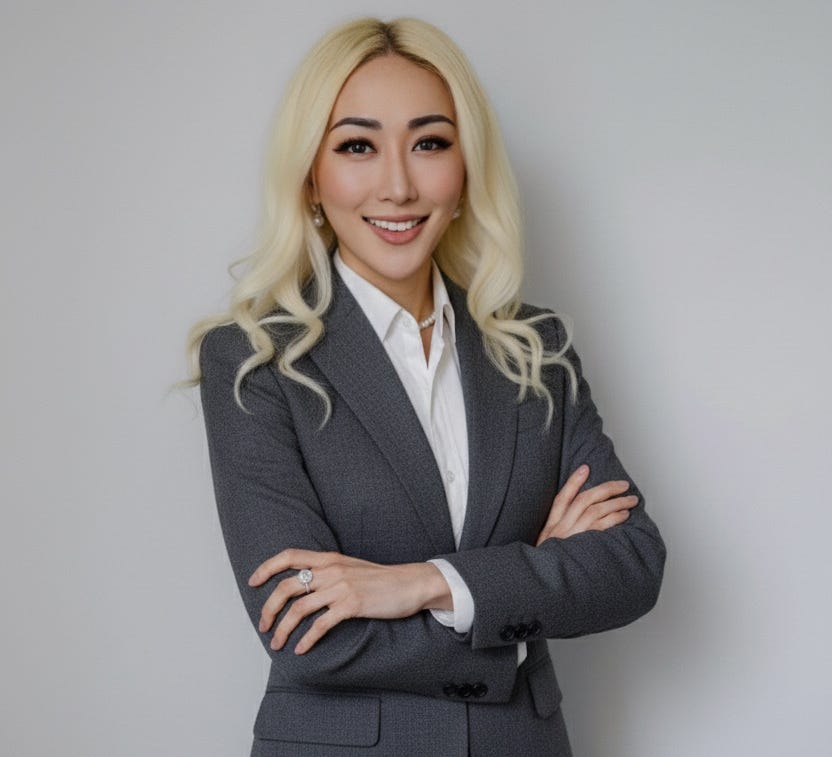
When Vina Tsai started working in venture capital, she’d often get asked if she sat on the investor or the founder side.
It’s a question that followed her throughout her career because she’s never confined herself to the traditional expectations. Instead, she leans into helping companies become more resilient and scalable as an ally and operator, rather than just a name on the term sheet.
The reason? To create stability, dignity, and mobility for not only the team, but the people that they serve and communities at large, especially those with limited means and no safety net. The entrepreneur, investor, and advisor from Tainan, Taiwan, who found her own footing from the age of 17, recognizes the hardships that founders endure to earn even a chance to bet on themselves, and how much talent gets sidelined without backing that protects their agency.
“My honest view is that capital is relatively easier to find than truly scalable, high potential startups,” shares Tsai. “The real bottleneck is supporting founders—especially those who are underrepresented—in becoming ‘investable’: building the right structures, strategies, and networks so that they can grow efficiently and on their own terms.”
Tsai adds: “Helping early stage founders is important to me because it allows me to close that gap. I can use my experience to give them access to resources, investors, and frameworks they might not otherwise reach, while also learning continuously from working across different sectors and business models.”
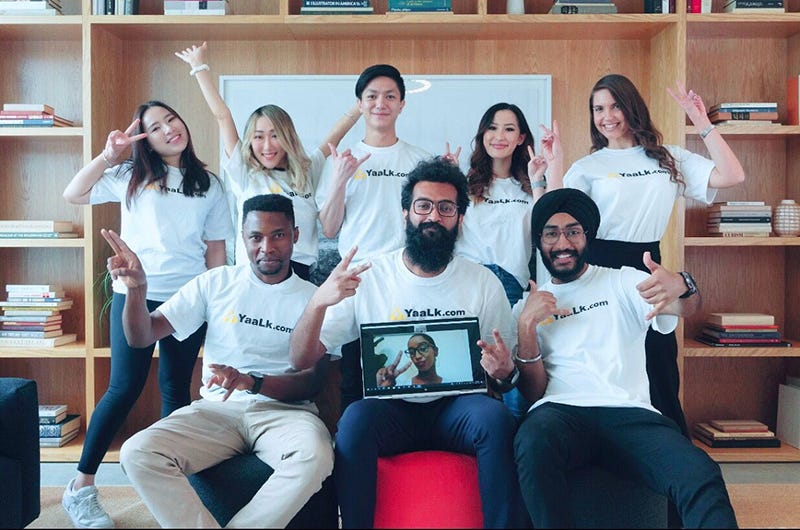
For our first-ever Threadline Spotlight series, which features Q&As with the investors and community builders behind early stage founders, I chatted with Vina about her journey into becoming an entrepreneur, investor, and advisor; what drives her to support the next generation of self-made founders at the earliest stages; and the patterns she’s observed from the most successful startups when it comes to the team, business, relationships, and more.
Who or what has been most influential in shaping your mindset, drive, and ambition?
The biggest influence has been seeing people create opportunities while facing constrained circumstances.
Watching families stretch every dollar and fight for education made me deeply aware of where institutions fall short and how much talent gets untapped. It motivates me to help others in ways that remove barriers, particularly younger generations.
My mindset is shaped by the Confucian values I was raised with: benevolence, righteousness, integrity, respect for elders, commitment to education, and social harmony.
Those principles guide how I lead, make decisions, and view leadership as a responsibility to uplift others and contribute to different communities.
Can you walk me through your journey from working as a day trader to becoming an entrepreneur, then an investor and advisor?
My career began in finance, where I joined a stock trading program at an investment bank in Hong Kong and later worked with a family office in Shanghai. Those early years gave me an understanding of global markets, risk management, and investor psychology.

When I moved to Canada eight years ago, I worked with a venture capital pre-accelerator program, which supported startups across 15 cities globally, and a real estate investment firm focusing on GP/LP sourcing and investor relations.

I wanted to apply those experiences more creatively and impactfully to help founders build lasting businesses. That led me to establish VT Consulting Group a couple of years ago, where I’ve supported early stage companies with business development, strategy, investor relations, and venture capital.
Why was it so important for you to make those pivots in your career? What is the biggest inspiration behind your work?
Every pivot reflected both curiosity and necessity. I didn’t want to stay confined to one lane.
I realized that innovation thrives when you can connect capital, creativity, and community. Each shift was about moving from individual success to collective growth, helping others achieve what I once had to learn the hard way.
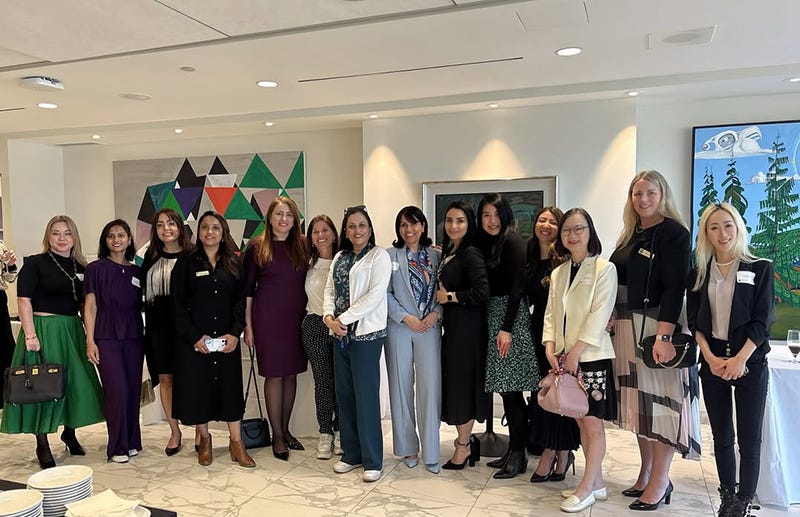
My biggest inspiration has always been impact through empowerment and education.
I grew up largely on my own without parents at home and left home when I was 17, and since then, I’ve been self-sufficient.
I remember I worked multiple jobs to pay my high school and college tuition. At such a young age, I experienced firsthand how opportunity gaps limit individuals, and I learned how access to knowledge can truly change a life.
And that’s why I’ve made it my mission to try to build ecosystems where early stage founders, youth, and communities can thrive economically, socially, and creatively.
What was a moment in your life that was significant in realizing how much “innovation thrives when you can connect capital, creativity, and community”?
One pivotal period was when I was around 18.
While most people my age were focused on school, social life, and parties, I was working multiple jobs and using whatever I could save to sign up for courses and professional licenses outside of traditional school.
At the same time, I started going to networking events, introducing myself to business professionals, and asking questions about their work, decisions, and mistakes.

Those conversations and learning environments gave me access to knowledge I never had growing up: practical tools, mental models, and examples of what was possible.
That experience showed me very clearly that when you finally gain access to the right information and people, it can completely change the trajectory of your life, even if your starting point is very far behind.
As both an investor and advisor, you’ve worked with companies across tech and CPG. What qualities do you look for in a founding team and business—regardless of industry?
Aside from having a strong product, a clear market opportunity, and a solid foundation, I look for four core qualities: clarity, consistency, conviction, and adaptability.
Clarity in understanding the problem they’re solving and why it truly matters.
Consistency in execution, communication, and follow-through as the company grows.
Conviction to stay resilient and grounded through uncertainty.
Adaptability to pivot strategically without losing sight of their mission.
Ultimately, I’m drawn to founders who balance ambition with humility: leaders who listen, learn quickly, and execute with purpose. It’s not about having the perfect product from day one, but about having the right mindset to build something meaningful and enduring.
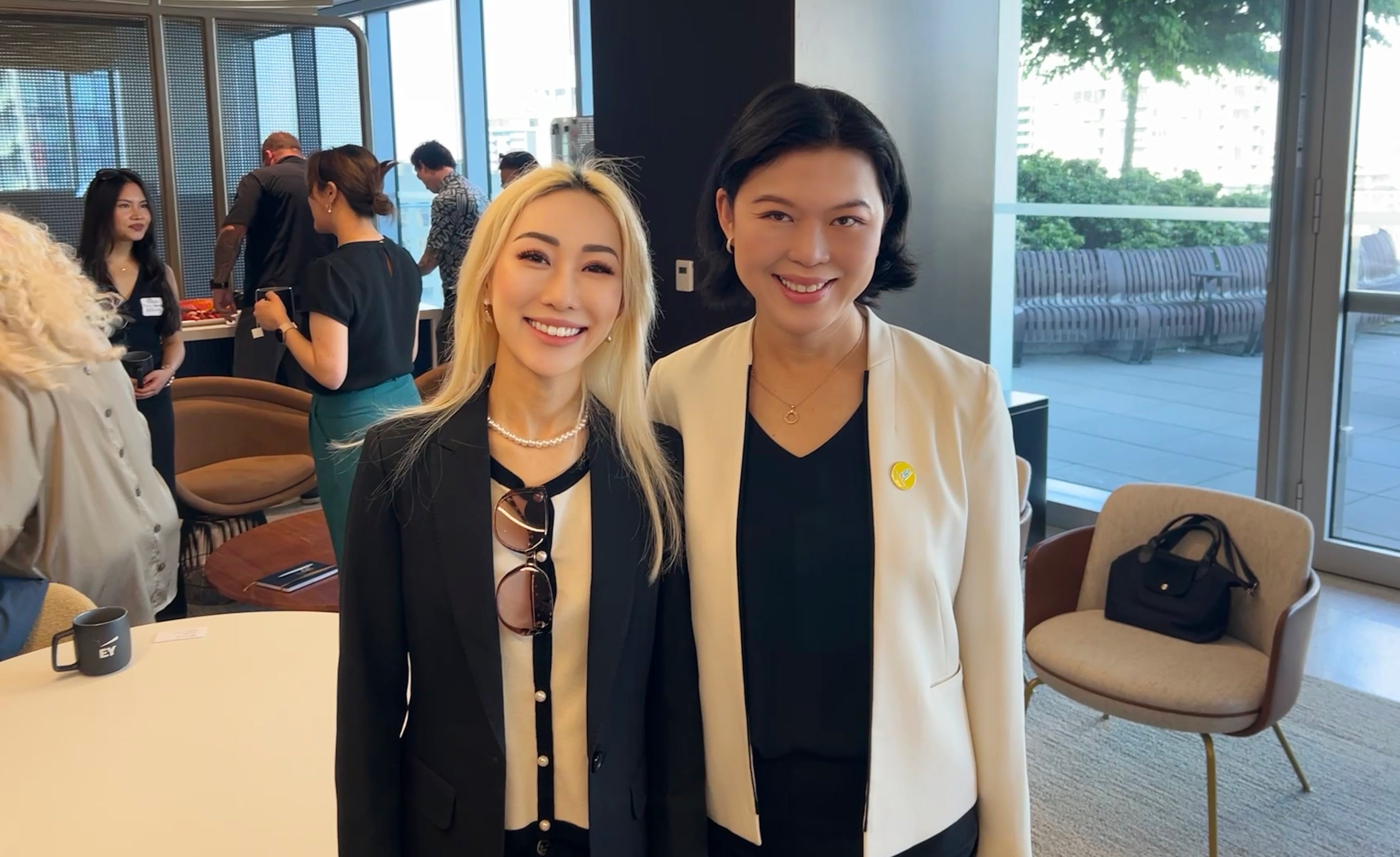
From your experience, what did the most successful companies do at the early stages that was critical to their eventual success?
They built strong and standardized foundations early: branding, company structure, financial systems, customer feedback loops, and a culture of accountability.
The most successful founders didn’t chase valuation in the early stage; they focused on validation. They measured everything, refined constantly, and invested in relationships before scaling.
I believe that consistency in the early days compounds faster than perfection later on.
Could you share a few examples of how they invested in relationships before scaling?
The strongest founders I’ve worked with spent months having 1:1 conversations with early users, instead of rushing into paid acquisition.
They would personally onboard customers, jump on feedback calls, and even sit in on their workflows. In some cases, they had fewer than 100 users, but they knew each one by name, pain point, and desired outcome.
Those early customer relationships created loyal advocates who later became case studies, referral sources, and design partners when the company was ready to scale.
These founders also shared regular, concise updates with investors, even before a formal round.
They sent short monthly emails with metrics, learnings, and asks. Over time, that transparency built confidence. When they finally opened a round, those contacts already understood the trajectory, the discipline of the team, and were far more willing to champion the deal, introduce co-investors, or join as advisors.
And before hiring, the same founders aligned a small core team around shared principles: how decisions are made, what “good” looks like, and how they handle conflict.
They held regular retros, invited honest feedback, and clarified roles early. And so, when they did grow headcount, new hires stepped into a culture with trust, clarity, and strong internal communication.
What do you find companies often overlook when it comes to gaining early traction and validating product-market fit?
Many of them underestimate the importance of truly listening to their market.
Too often, under pressure, founders end up building for investors rather than for customers. As a result, they overlook that real traction isn’t measured by initial sales or downloads. It’s reflected in retention, repeat engagement, and genuine customer advocacy.
I always remind founders, including myself, that it’s not enough to prove that people will buy your product once. You need to prove they’ll choose it again.
Sustainable growth is built on empathy—understanding your users’ needs and evolving with them—rather than on ego or assumptions. And often, when you focus on customers, investors come too.
In your view, what do companies need to prioritize when it comes to generating revenue and turning it into lasting profitability?
Lasting profitability stems from discipline and strategy, not just demand.
Companies need to understand their unit economics early: how pricing, margins, and cash cycles align with their long-term goals. Revenue should be seen as a resource for reinvestment and growth, not simply as validation, right?
Rather than chasing short-term gains, sustainable businesses focus on operational efficiency, customer retention, and relationship-building. They approach money as stewards of capital—balancing innovation with fiscal responsibility to create companies that endure through every market cycle.
How do you approach identifying new opportunities for growth and carefully experimenting—whether it’s markets or partnerships?
That’s a good question. I start by asking, “Where is there friction, and who isn’t solving it effectively?” Inefficiencies or unmet needs are often where true opportunities for growth emerge. I take a test-and-learn approach, launching small pilots, tracking data, and scaling only what proves sustainable and value-driven.
I also believe that collaboration fuels smarter growth. Instead of competing for the same audience, I look for ways to build strategic partnerships that create mutual benefit and generate shared value across industries.
Innovation, to me, is less about disruption and more about integration: connecting people, ideas, and opportunities in meaningful ways.
What advice do you have for early stage founders who are currently in the process of going from stealth to launch?
I would say focus on clarity over complexity.
Before launch, make sure you can explain what you do, why it matters, how it solves problems, and how it improves someone’s life in one sentence.
Build authentic excitement within your first group of users. Organic advocates are far more powerful than paid impressions.
And finally, prepare for iteration. Launching is not the finish line, it’s the starting signal for learning.
What kinds of companies are you keeping on your radar right now? And what shifts or trends are you anticipating in those sectors?
I’m most interested in companies working at the intersection of consumer innovation, sustainability, and technology.
In particular, I’m following CPG brands embracing circular- economy principles and AI-powered analytics platforms that help small and medium-sized businesses scale intelligently.
I believe the next wave of industry leaders will be those that combine efficiency with empathy—organizations that pair technological precision with genuine social purpose-brands that not only sell but solve systemic and societal challenges.
Beyond the private sector, I’m also passionate about supporting non-profits and social enterprises that have clear, measurable missions that address critical needs.
Where I see the most meaningful long-term impact is the purpose-driven innovation where business grows and social good coexist.
Is there anything else you’d like to share about your current work or what’s next for you?
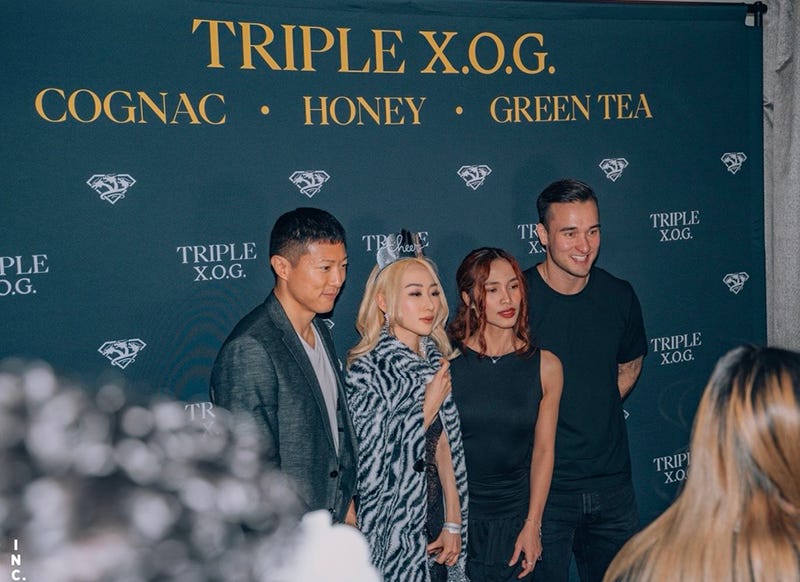
This quarter, I’m working closely with one of my clients, Triple X.O.G., a Vancouver-based, ready-to-drink cocktail brand that recently appeared on Dragons’ Den and received multiple offers. As they open their first funding round this month, my focus is on helping them scale responsibly while maintaining brand authenticity.
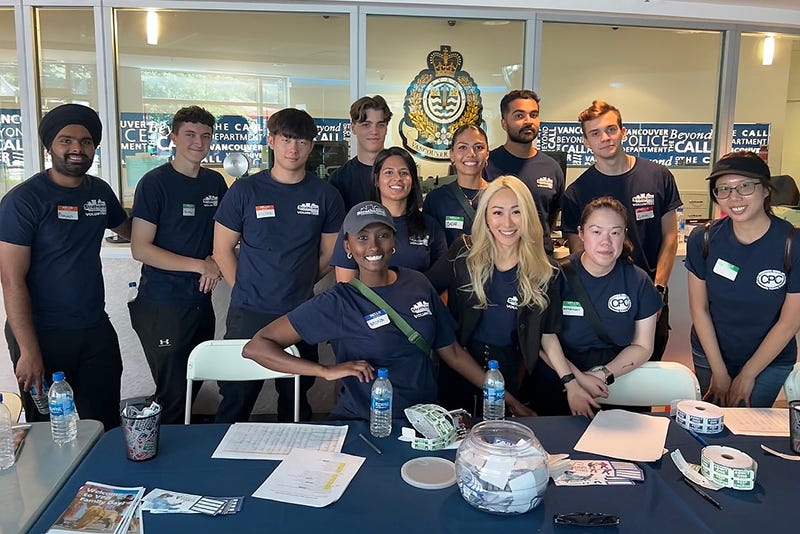
Beyond business, I remain deeply involved in charitable and nonprofit initiatives focused on public safety, children’s well-being, and economic empowerment.
And looking ahead, over the next five to eight years, I plan to pursue a PhD in Developmental Cognitive Neuroscience, focusing on early childhood education and brain development, while contributing more directly to public policy and political initiatives.
I feel incredibly fortunate to be surrounded by so many motivated founders and industry leaders. While I support them in growing their businesses, I also benefit so much, learning alongside my clients every day and helping to build something meaningful from the very beginning.
 | A guest post by
|