



Tune into the full interview for more behind-the-scenes above or on Spotify or Apple
4:02-4:31: How exactly Collabstr works
4:32-6:17: How Collabstr monetizes
6:18-7:42: The biggest problems that Collabstr is solving for brands and influencers
7:43-9:17: How Collabstr differs from other platforms
9:18-11:41: The journey that led to founding Collabstr
11:42-14:05: Where Clayton’s entrepreneurial drive comes from
14:06-15:57: Why Collabstr started out and continues to focus on micro-influencers
15:28-18:28: Collabstr’s journey from figuring out its MVP to launching
18:29-23:01: How Collabstr acquired its first users
23:02-24:17: Collabstr’s experience in League of Innovators’ 12-week accelerator
24:18-25:58: How League of Innovators helped Collabstr figure out how to scale—converting more brands and increasing repeat usage
25:59-27:28: The most rewarding stories of how Collabstr has helped brands and creators
27:29-28:18: The biggest challenges that Collabstr faced—bootstrapping the business without any venture funding and standing out and earning trust in a competitive space
28:19-30:28: Motivations that helped Collabstr keep going during the difficult times
30:29-32:43: What mindset and actions were pivotal to Collabstr continuing to scale
32:44-34:42: Metrics brands should pay attention to when looking to collaborate with influencers
35:43-36:26: What can be expected next from Collabstr in the coming months—creator management, AI-generated content, deeper ROI tracking
36:27-38:13: Advice for early stage founders looking to build an industry-leading product
38:14-39:20: Predictions on the future of influencer marketing
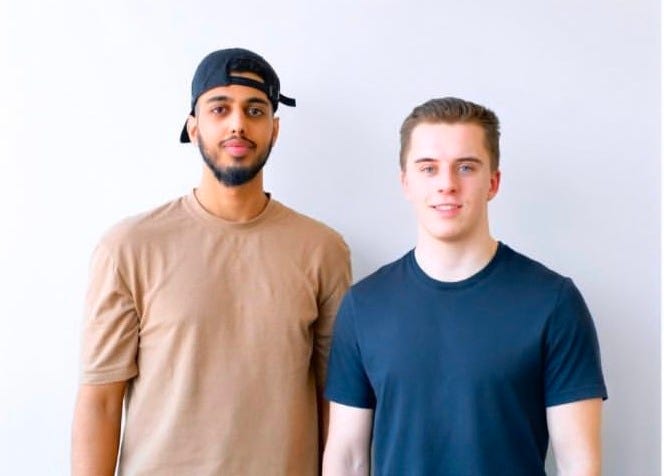
Late one night in their dorm, BCIT computer science students Clayton Rannard and Kyle Dulay were scrolling Reddit when they realized they should post about the latest product they built: an app that analyzed Instagram accounts for fake followers and engagement. The next morning, they woke up to a spike in traffic and the start of a costly server bill. The thread went viral: 10,000 audits in seven hours.
“That’s when we realized there’s clearly demand for better tooling in the creator economy,” reflects Rannard. “It opened our worldview up to say this tool we made is only really solving one piece of this much larger puzzle that brands are working through to [collaborate] with a content creator.”
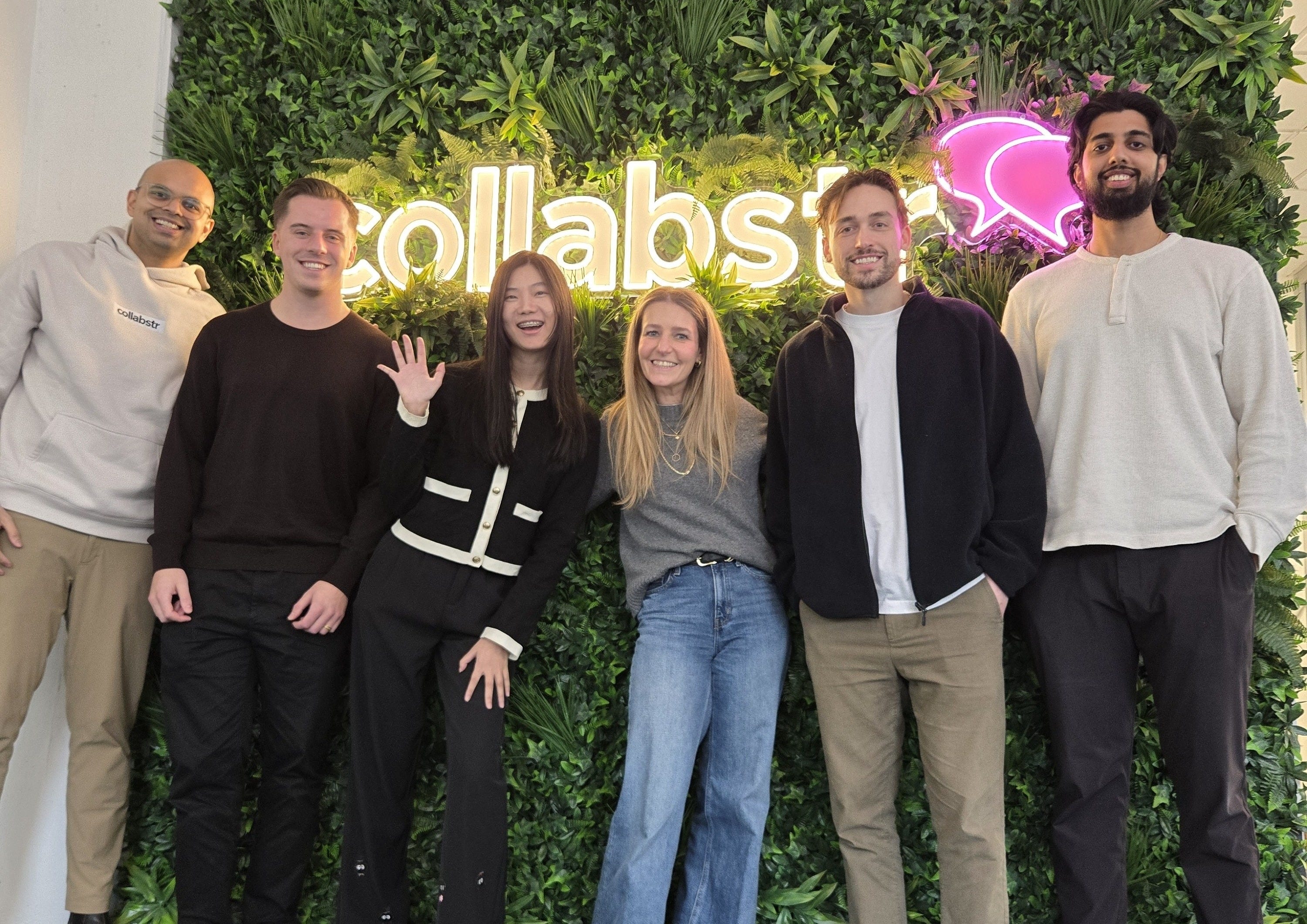
Six years later, following that signal led to building Collabstr, the world’s largest influencer marketplace connecting brands with creators. It has over 900,000 registered users across more than 120 countries and is used by leading startups to organizations and Fortune 500 companies. And while fully bootstrapped, the company has grown to eight figures in revenue, 14 full-time employees, and an office in Vancouver’s Yaletown.


What’s been pivotal to Collabstr’s growth is its mission of accessibility. That started with a bet on the rise of micro-influencers. Compared to other creators, they typically have stronger engagement because of their authenticity and earnestness in building community, and their costs make it more possible to invest in multiple campaigns instead of one-offs. Yet, there weren’t any platforms that focused on helping them be discovered by brands and grow without agencies.
Solving for these gaps in the market inspired Rannard and Dulay to build Collabstr. And over time, it led to the platform evolving to serve more than micro-influencers. Today, it equips creators across all segments to turn side hustles into full-time careers, and brands of all sizes to achieve their goals without massive teams or budgets. Some creators have earned the equivalent of an annual salary from a single deal, while brands have launched and introduced new products.
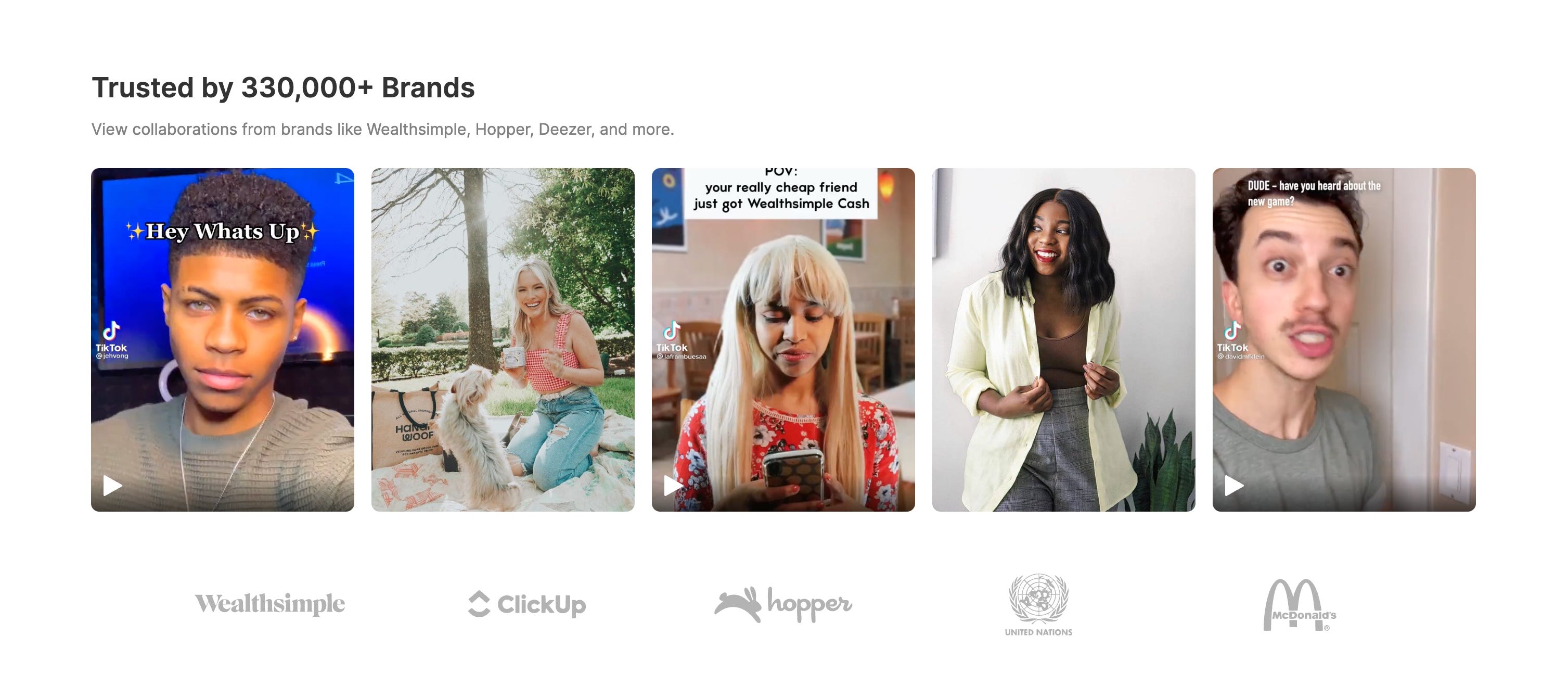
In contrast to competitors today, Collabstr flips the traditional “closed off” approach, says Rannard. Many have websites that require filling out a form for information, then going back-and-forth with customer reps and account managers. In many cases, they’ll gatekeep access until a contract is signed, which can mandate five to six figures upfront and a long-term commitment. Hidden fees for onboarding, training, implementation, or core features often follow.
Collabstr eliminates this friction with an open model. Everything is made public and users can get started right away with a subscription. There are three tiers—basic, which is free, pro at $299/mo, and premium at $399/mo—and any can be cancelled at any time. The only other fees outside its plans come from deal transactions. Depending on which is selected, the platform charges brands 5% or 10% of the amount, while 15% is taken from what creators receive.
This setup’s only part of what differentiates Collabstr. The platform makes it simple for creators to promote themselves and gives them control over their earnings. Once they’re approved, they can create a profile listing their services and share it publicly with a custom link. They can also set their own rates instead of having them dictated by algorithms. And for every service delivered, brands must compensate them with payment instead of gifts.
As for brands, Collabstr offers tools to streamline the workflow across outreach, coordination, and reporting. They can explore a database of vetted users, create campaigns and specify demographics, share their brief, requirements, and assets, and directly communicate with creators. Payment is required upfront for a collaboration, but funds are held in escrow until deliverables are approved. Brands can then pull up a dashboard to track post analytics and generate reports—eliminating the need for manual tracking and updating spreadsheets.
Now, Collabstr’s working toward becoming the “operating system” for influencer marketing. “We want to widen the product for anyone looking to collaborate with content creators,” shares Rannard. “So that means expanding beyond finding and hiring influencers to include things like creator management, AI-driven content generation, and deeper ROI tracking.”
This is the story of two classmates-turned-co-founders, driven by the pursuit of financial freedom on their terms, who pivoted and iterated over and over again to turn a viral moment into a business and went from sending countless cold DMs and emails to becoming a leader in their industry.
Turning Traction Into a Business
Rannard and Dulay didn’t set out to “own influencer marketing overnight.” They focused on building out one product at a time and making it simpler than what was already out there before expanding. That started with creating a tool that let users connect their socials and generate media kits with analytics to share with brands. Then, they built the first version of what would become Collabstr and convinced creators to join through cold DMs and emails. They used that traction to persuade brands the same way.
“On that side, you don’t need a ton at the start to kick off,” shares Rannard. “Because one brand can service up to 10 creators or more. […] It’s unlike other marketplaces, [like] Airbnb. One rental can service one person at a time. But one brand can service multiple creators.”
To drive organic traffic, Rannard and Dulay turned to SEO. They started by learning the basics on their own, then hired consultants for a few hours to guide them. Their strategy focused on long-tail keywords like “find a food influencer in Dallas, Texas,” which became a “big catalyst” in onboarding brands, says Rannard. Collabstr was among the few platforms that could surface those results with accuracy. Brands could sign up to search their database of creators for free, then narrow down by category and location. Currently, they can also filter by followers, gender, age, ethnicity, and language.
Coming into the space as “disruptors, the young guys,” Rannard says, scaling was the next obstacle. They had each other to lean on, but recognized that surrounding themselves with other founders and finding mentors who’d already been through that stage would push them to “think bigger.” So, during their final year at BCIT, Rannard and Dulay joined a 12-week virtual program run by League of Innovators (LOI), Canada’s largest accelerator for founders under 30 that doesn’t take equity from participants.
The program helped Rannard and Dulay navigate the complexity of running a two-sided marketplace like theirs: bringing on creators requires a B2C strategy, whereas landing brands requires a B2B one, and the latter has typically been tougher across the industry. LOI supported the founders in quickly finding patterns and running tests to convert more brands and increase repeat usage.
“We built Collabstr entirely without any venture funding, so every dollar that we earned from the beginning was reinvested back into the product,” highlights Rannard. “We didn’t have a big team. We had no big marketing budgets. There was no room for wasteful experiments to spend on. It made things harder in the short term.”
He adds: “I think progress is slower at the start when you do it that way. But every decision mattered more. In the long term, it allowed us to be extremely focused and disciplined. It forces you to essentially create a very sustainable business.”
Credibility as the Growth Engine
As Collabstr scaled, it continued “standing out and earning trust in a crowded space” by leveraging data to educate users, says Rannard. It publishes comprehensive reports on market stats and trends, brand spend and creator rates, and industry predictions, plus practical guides and blogs on collaboration strategies and tips as well as pricing and performance benchmarks.
The platform also offers tools beyond just analyzing Instagram and TikTok accounts for fake followers and engagement. Based on over 150,000 influencer rates, it provides a calculator that can estimate how much one should charge or pay for sponsored content. It even has additional ones that can estimate Instagram and TikTok accounts’ average engagement rate, likes, and comments.
Collectively, these resources brought greater transparency to the industry and aided brands and creators in making more informed decisions. In turn, that created a flywheel of organic mentions and backlinks that drove brand awareness. From there, Collabstr built on the momentum with media coverage around its creator economy insights, landing placements across major publications like Forbes, The New York Times, and BuzzFeed.
Asked what kept Collabstr going through the lows before the wins came, Rannard emphasizes not only having a co-founder he can trust to always show up, but also someone who’s like-minded in some ways and challenges him in others. One way their similarities come through is how they approach setbacks: “iterating instead of catastrophizing.”
He explains: “When something breaks, a feature flops, or growth slows, we treat it as a lesson you learn, a data point we can use to further iterate on. What can we learn from that? What’s the next experiment we can do that moves us forward?”
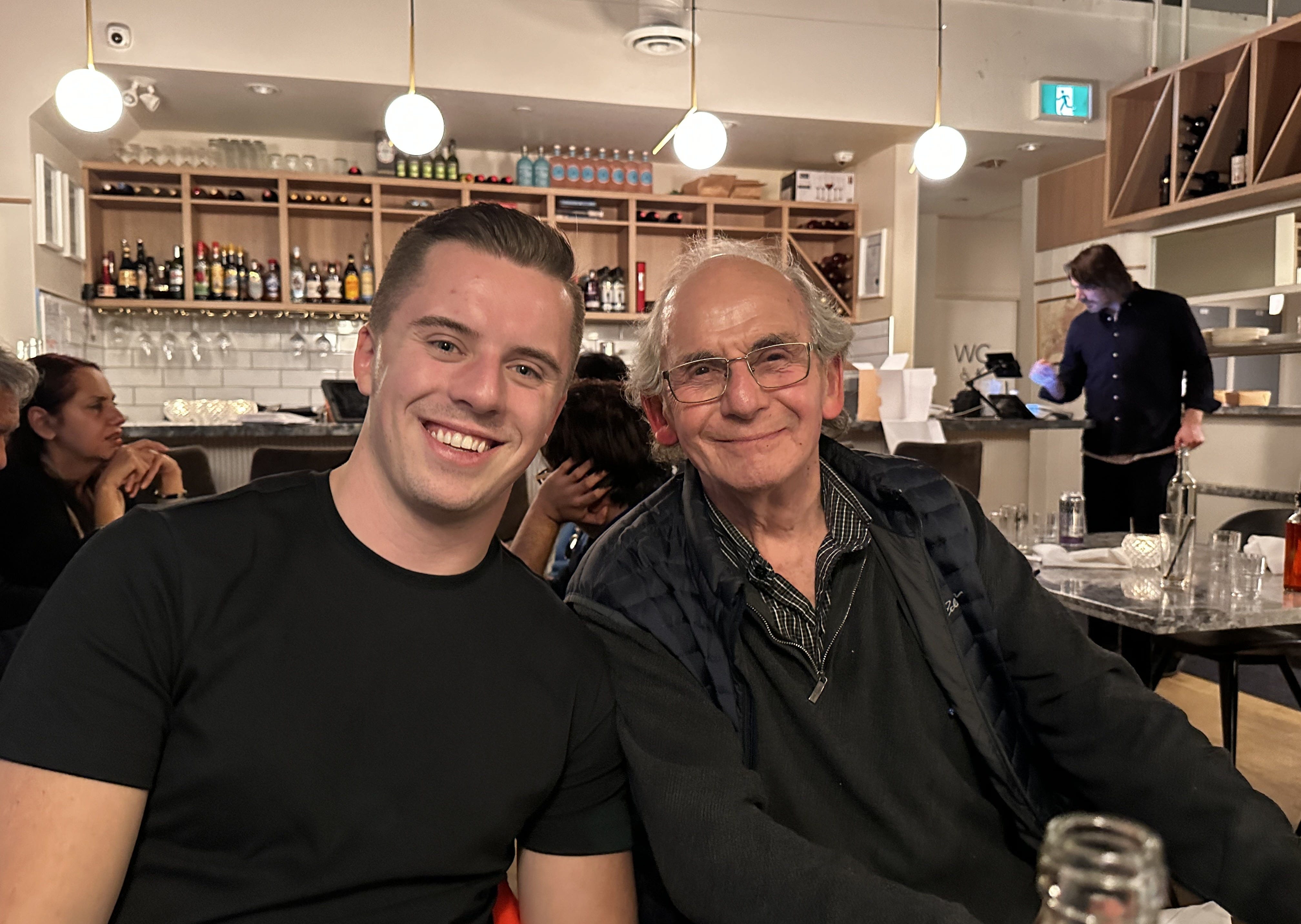
For Rannard, what’s shaped that resolve is his upbringing. He grew up in a middle class family where “money wasn’t in abundance” and attaining financial freedom became a throughline for him. He never imagined that would one day lead to creating a company that helps others get there, too. He always enjoyed the process of building things on his own, starting with hobbies turned side hustles as early as elementary school. And in hindsight, he habitually explored taking his pursuits further having watched his grandfather run his business for over 40 years.
Looking back on what else has been a constant in his success, he reminds of the startup adage of starting simple and shipping fast. “The quicker you can get to market the better,” he adds. “Nobody has a crystal ball [...] Our earliest version of Collabstr was extremely basic [...] Having it in the hands of real customers is something you can’t replace with any amount of planning.”


